Is the Spice Bazaar open today? What time does it close?
These are usually the first questions travelers ask before heading to Istanbul’s famous spice market. In this guide, you’ll find the current opening hours, important closure notes, and practical tips to help you plan your visit without surprises.
Located in the heart of Eminönü, one of Istanbul’s busiest and most historic districts, the Spice Bazaar has been a central part of city life for more than 350 years. For centuries, it has served as a gateway for spices, tea leaves, dried fruits, and delicacies arriving from historic trade routes.
Today, the bazaar is still full of energy—aromas drifting through narrow corridors, colorful displays, and the lively rhythm of traditional Istanbul shopping. Whether you’re here to buy spices, taste local flavors, or simply soak in the atmosphere, the Spice Bazaar is an experience best enjoyed with a bit of planning.
Below, I’ll share clear, up-to-date information and a few local insights to help you make the most of your visit.
🌶️ Spice Bazaar – Quick Guide (2026)
Planning a visit to Istanbul’s historic Spice Bazaar? Here’s a quick overview of opening hours, what to expect, and the best time to go—so you can plan your visit with ease.
⏰ Opening Hours: 09:00–19:00 (open daily)
🕰️ Good to Know: Many shops start winding down after 18:30
🎟️ Entrance Fee: Free of charge
🌤️ Best Time to Visit: Mornings or early afternoons
🌿 Famous For: Spices, local tea leaves, Turkish delight, saffron, roasted nuts
🚋 Nearest Tram Stop: Eminönü
📅 Last Updated: January 2026
That said, while the bazaar interior remains closed, some street-facing shops —especially along the southern exterior wall—may operate independently during these holidays.
About Spice Bazaar
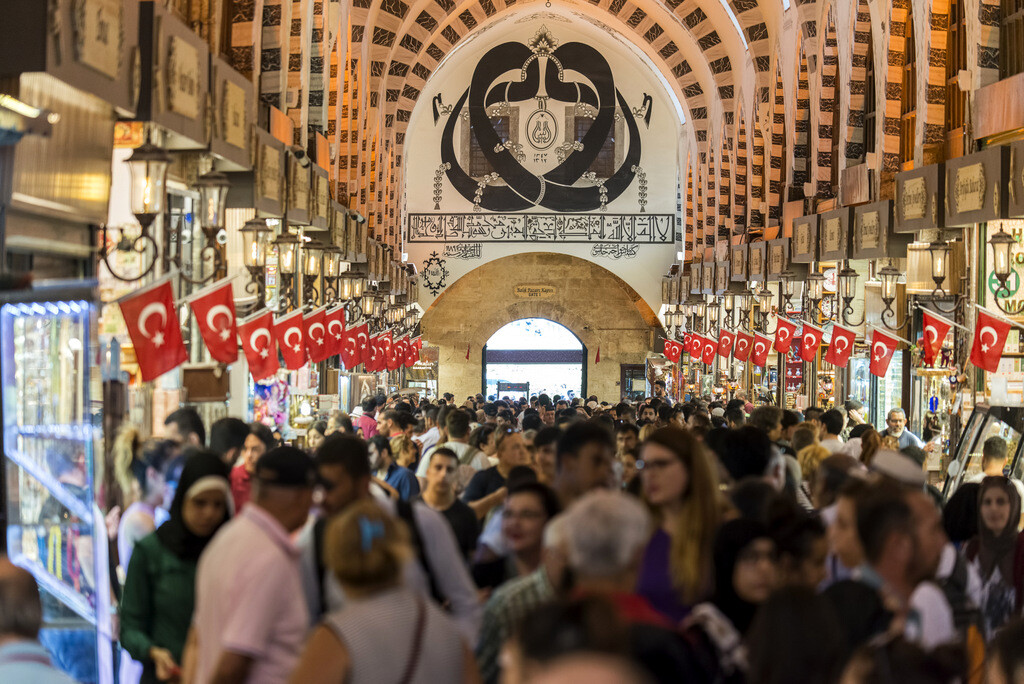
During the Ottoman period, the Spice Bazaar served almost exclusively as a marketplace for spices brought from Egypt and the eastern trade routes. Over time—and especially with the rise of modern tourism—its offerings expanded, and today you’ll also find shops selling jewelry, souvenirs, and specialty food products.
The bazaar was constructed alongside the New Mosque (Yeni Cami) in the 17th century, forming an elegant L-shaped market that resembles a smaller, more intimate version of the Grand Bazaar. Thanks to its recent restoration, the Spice Bazaar now looks brighter and more polished than ever—some even say it outshines the Grand Bazaar in atmosphere and presentation.
When it comes to shopping, the Spice Bazaar is one of the easiest places to navigate. Herbal tea leaves, dried fruits, nuts, Turkish delight, saffron, and many other traditional products are often sold side-by-side in the same shop, meaning you don’t need to wander far to find everything you’re looking for.
Istanbul Spice Bazaar Opening Hours (2026)
Planning your visit to the Spice Bazaar? Good news — it’s one of the most flexible markets to visit in Istanbul.
As of 2026, the Spice Bazaar is open daily from 9:00 AM to 7:00 PM, including Sundays. This makes it a popular alternative to the Grand Bazaar, which remains closed on Sundays. If your itinerary is tight or you’re visiting Istanbul over a weekend, the Spice Bazaar is often the easiest option.
That said, the Spice Bazaar does close completely during major religious holidays, specifically Eid al-Fitr (Ramadan Bayram) and Eid al-Adha (Kurban Bayram). These holidays follow the lunar calendar and fall on different dates each year. During these periods, you won’t be able to enter the interior of the bazaar for 3 or 4 full days, with no exceptions.
On national holidays such as Republic Day (October 29) or Children’s Day (April 23), the Spice Bazaar usually remains open. However, some individual shops may open later or close earlier, depending on the vendor.
👉 A quick local tip: While the interior of the Spice Bazaar remains closed during religious holidays, some street-facing shops—especially those along the southern exterior wall—may operate independently. If you happen to be in the area on these dates, you may still find a few open shops outside the main bazaar structure.
Also Known As Egyptian Bazaar
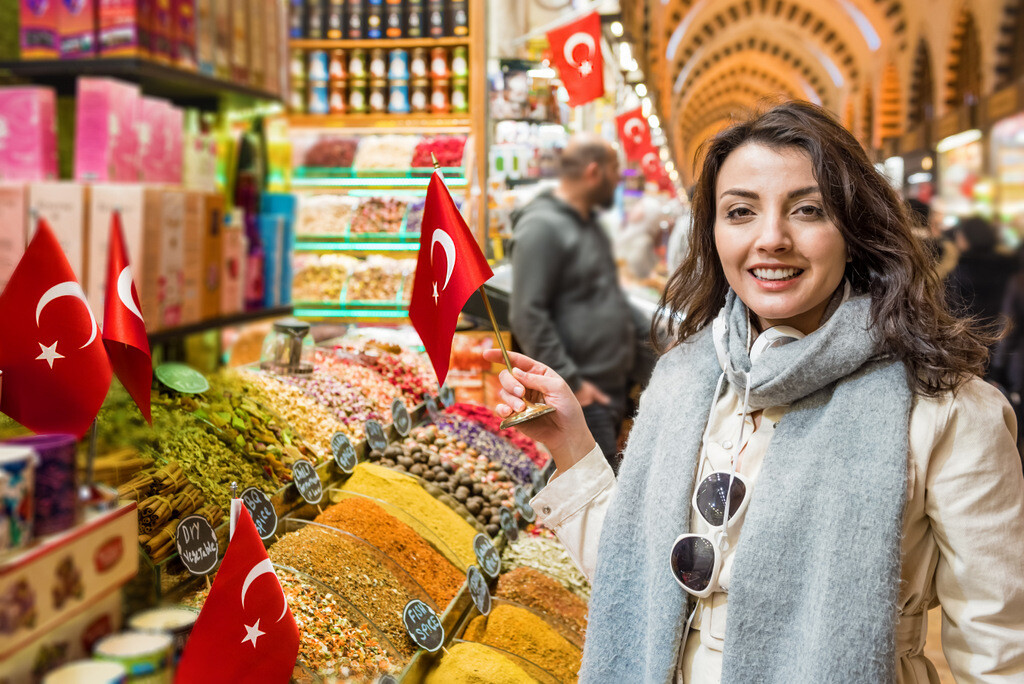
The Spice Bazaar is also known locally as the Egyptian Bazaar (Mısır Çarşısı). The name comes from the Ottoman period, when many of the goods sold here—especially spices—arrived in Istanbul through Egypt. Caravans carried spices from Asia to Alexandria, where they were loaded onto ships and transported across the Mediterranean to the bazaars of the empire.
The area surrounding the Spice Bazaar is just as lively as the market itself. Uzunçarşı Caddesi (the Street of the Long Market) runs along one side of the bazaar and is filled with traditional shops frequented by Istanbulites. Strolling through this street gives you a glimpse of the city’s everyday commercial life.
Just behind the bazaar lies Mahmutpaşa Yokuşu, one of the most famous local shopping streets in Istanbul. The word yokuş means “slope” in Turkish, and this particular slope is lined with dozens of small shops selling inexpensive clothing and household items. It’s a bustling, authentic marketplace where locals bargain daily.
If you walk up Mahmutpaşa Yokuşu with the Spice Bazaar and the sea at your back, you can follow this historical shopping route all the way to the Grand Bazaar. It’s one of the best ways to experience Istanbul’s traditional marketplace culture step by step.
Places around Spice Bazaar
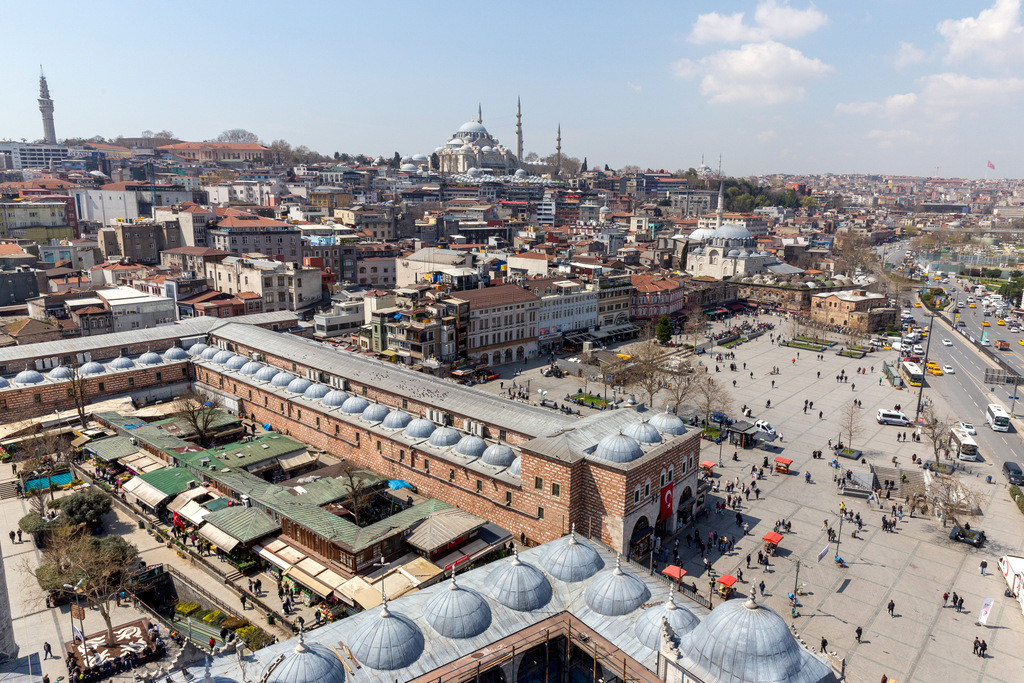
Around the Spice Bazaar, two important Ottoman mosques are especially worth visiting: the New Mosque (Yeni Cami) and the Rüstem Pasha Mosque. The latter, built in the 16th century by the renowned architect Sinan, is famous for its exquisite Iznik tiles—some of the finest examples in Istanbul.
The New Mosque, despite its name, is more than 350 years old. It was commissioned by a Valide Sultan (the mother of the reigning sultan), which gives it a distinguished place among imperial Ottoman mosques.
The area around the bazaar is also one of Istanbul’s most vibrant food hubs. Local eateries serve classic Turkish street foods such as döner, pide, and kebab, making Eminönü one of the most popular stops on Istanbul street food tours.
If you continue walking toward Sirkeci after exploring the bazaar, you will reach Hocapaşa Street, a narrow lane filled with traditional restaurants offering some of the city’s best home-style dishes.
To find the Spice Bazaar and other historical landmarks with ease, you can use my Istanbul Tourist Attractions Map, where all major sights are clearly marked on a simple, easy-to-follow layout—ideal for planning your route before you head out.
Conclusion
Visiting the Spice Bazaar is one of those small but memorable moments that add real flavor to a trip to Istanbul. With a bit of planning—knowing the opening hours, choosing the right time of day, and being aware of holiday closures—your visit becomes smooth and enjoyable.
The bazaar isn’t just a place to shop for spices. It’s a chance to experience everyday Istanbul, to slow down, sample local flavors, and take in the sights and scents that have filled these corridors for centuries. Even a short visit can leave a lasting impression.
I hope this guide helps you plan your visit with confidence and avoid common surprises. If you have any questions while organizing your itinerary, feel free to leave a comment below—I’m always happy to help travelers make the most of their time in Istanbul.
Enjoy exploring, trust your senses, and don’t be afraid to wander a little.
Written by Serhat Engul

Bonjour, le bazaar egyptien est fermé le 10,11 , 12 avril mais sera-il ouvert le samedi 13? J’arrive le 10avril et repars le 13 au soir j’espérais pouvoir visiter le 13 avant mon départ..
merci par avance ☺️
Bonjour Lilas, oui il sera fermé pendant les vacances, c’est à dire les 10, 11 et 12 avril, mais il ouvrira le 13. Le bazar aux épices est en fait ouvert toute l’année, y compris les samedis et dimanches. Cependant, il n’est fermé que les jours de fêtes religieuses.
Is the Spice Market open on April 21.22 or 23 of 2023. Thanks. Do you do tours those days. Concerned about Eid Al Fitr.
Hi Barb, Spice Market and Grand Bazaar are closed on religious holidays. No, I don’t do tours that include Istanbul’s bazaars in those days. Have a nice trip!